



Product Description
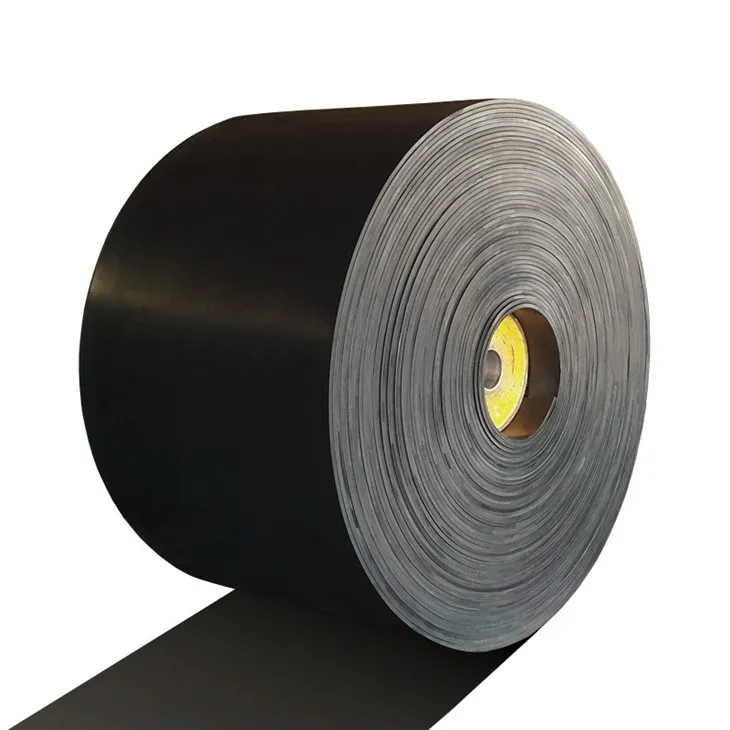
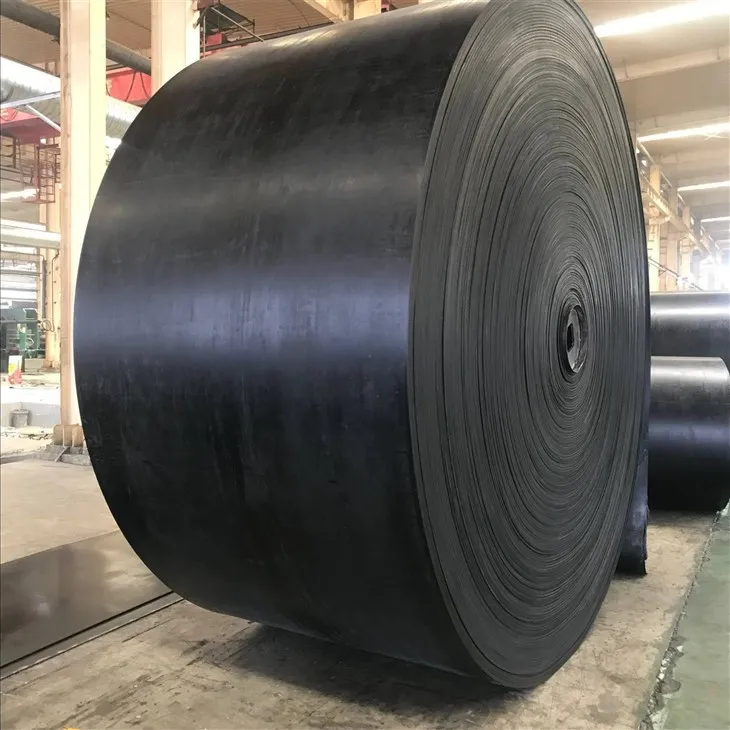
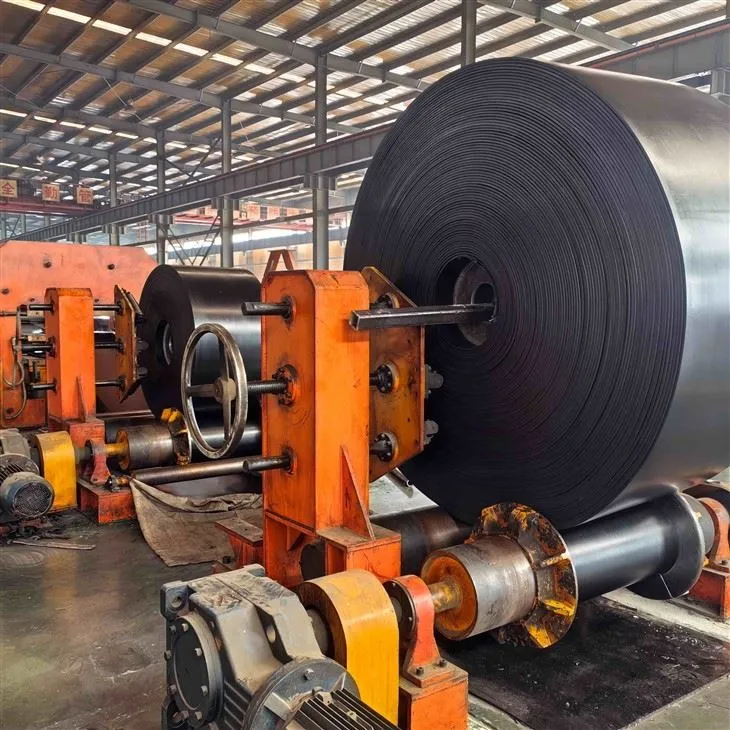
Heat resistant NN conveyor belt is suitable for conveying high-temperature materials for a long time because it can maintain flexibility under harsh conditions. The sophisticated belt body design aims to minimize the stretching, ensure the maximum strength and stability, and maximize the resistance to high temperature deterioration when transporting materials at high temperatures.
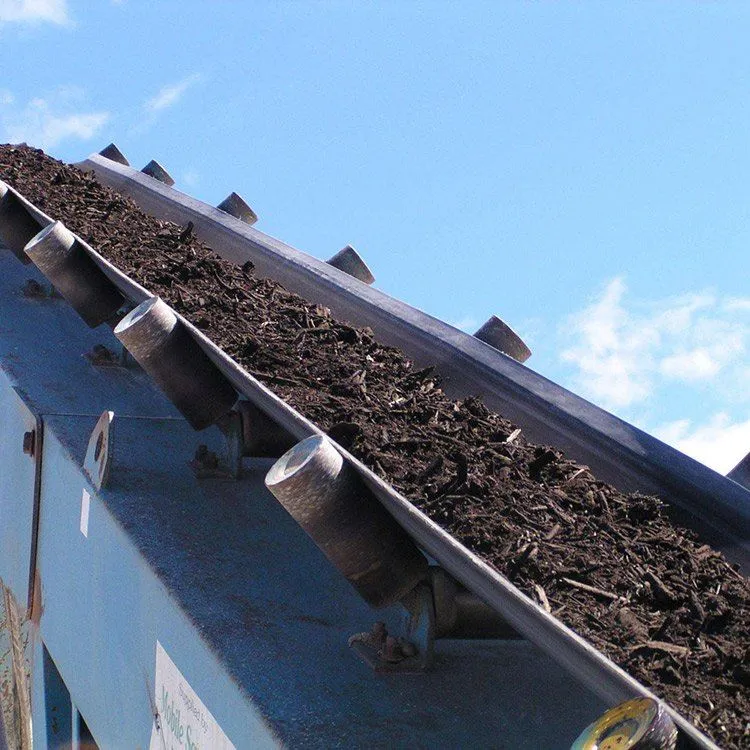
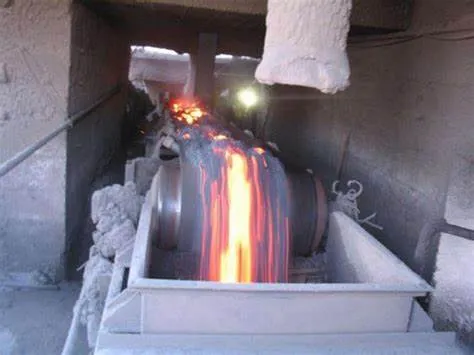
The conveyor belt has excellent heat resistance. It can withstand materials at 180 ℃, bulk materials at 300 ℃, and materials with an instantaneous temperature of 800 ℃. It is widely used in the cement industry, iron and steel industry, fertilizer, chemical belt, coking plant, casting, underwater ash treatment waste utilization, glass plant, and other fields, and can realize efficient transportation of viscous materials and high-temperature materials.
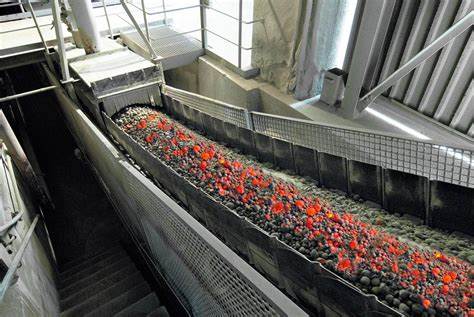
Features:
(1) Heat resistant NN conveyor belt can be used for a long time at 150 ℃ and for a short time at 150 ℃ or above.
(2) It not only has good wear resistance at room temperature, but also will not deteriorate at high temperature.
(3) Compared with the cotton canvas conveyor belt, the number of layers of this belt is greatly reduced, so the weight per unit length is reduced, which can reduce energy consumption.
(4) The product has excellent flexibility and good adaptability to the drum.
(5) After vulcanization, it has high adhesive strength.
The selection of heat resistant belt
When choosing a heat-resistant conveyor belt, you can refer to the following two situations to choose the appropriate model:
1. The surface temperature of the conveyor belt is different due to the different type and particle size of the conveyed material. When transporting coke, iron ore and other materials, the surface temperature of the conveyor belt will be lower than the temperature of the conveyed materials due to the gap and air convection.
2. When transporting smaller particles or powdery materials, such as cement, aluminum, carbon black, etc., the temperature of the transported object itself is almost no different from the temperature of the belt surface. In this case, when selecting the belt, it is necessary to know not only the temperature of the conveying material, but also the heating condition of the conveyor belt surface during the actual operation.
Physical performance indicators
|
Item |
GB20021 Standard |
LAND BRIDGE |
|||||
|
T1 |
T2 |
T3 |
T4 |
ADHR150 |
ADHR180 |
||
|
Test temperature |
|||||||
|
≦100℃ |
≦125℃ |
≦150℃ |
≦175℃ |
≦150℃ |
≦180℃ |
||
|
Permitted change range |
|||||||
|
Hardness |
Difference before and after aging |
20 |
20 |
±20 |
±20 |
±10 |
±10 |
|
Maximum after aging |
85 |
85 |
85 |
85 |
75 |
75 |
|
|
Tensile |
Change rate of property % |
-25 |
-30 |
-40 |
-40 |
±15 |
±25 |
|
Minimum value after aging |
12 |
10 |
5 |
5 |
10 |
8 |
|
|
Elongation |
Change rate after aging % |
-550 |
-50 |
-55 |
-55 |
±15 |
±15 |
|
Minimum value after aging |
200 |
200 |
180 |
180 |
400 |
350 |
|
| Fabric specs | Ply thickness(mmp) |
Strength series(N/mm) | Cover Thickness(mm) |
Width | Length | |||||
| 2ply | 3ply | 4ply | 5ply | 6ply | Top | Bottom | mm | m | ||
| NN-100 | 0.75 | 200 | 300 | 400 | 500 | 600 | 1.5-8 | 0-4.5 | 400-1500 | ≤300 |
| NN-150 | 0.8 | 300 | 450 | 600 | 750 | 900 | ||||
| NN-200 | 0.9 | 400 | 600 | 800 | 1000 | 1200 | 500-1500 | |||
| NN-250 | 1.15 | 500 | 750 | 1000 | 1250 | 1500 | ||||
| NN-300 | 1.25 | 900 | 1200 | 1500 | 1800 | |||||
| NN-400 | 145 | 1600 | 2000 | 2400 | 800-1500 | |||||
| NN-500 | 1.55 | 2000 | 2500 | 3000 | ||||||
FAQ
Q1. Are you a manufactuer?
Yes, we mainly produce Rubber conveyor belts & rubber hose over 15 years.
Q2. What about the lead time?
1) 3--5 days for sample
2) 15--20 days for mass production. If urgent,we have green channel
Q3. How to pay?
T/T or L/C through bank account
Q4. How about package?
1) Inner is packed on round rubber core with 30cm diameter and 12cmx12cm square hole
2) Outer is packed with one ply water-proof PP fabric


